Working Principle:
Conditioned sludge is transferred from the flocculation tank into the dewatering zone. As the sludge moves forward through the gradually narrowing space between the screw shaft and the moving & fixed rings, internal pressure continuously increases, allowing water to be efficiently squeezed out from the sludge.
The separated filtrate passes through the gaps between the moving rings and fixed rings. During operation, the self-cleaning movement of the rings effectively prevents clogging, ensuring stable and continuous performance.
Finally, the dehydrated sludge cake is compressed and discharged from the outlet end of the system.

Single RO Equipment
Raw water (tap water, surface water and groundwater) flows through pre-treating system, ultrafilter, then goes to RO unit by high pressure pump and get production water, this is called Single RO.
Single stage reverse osmosis, the water quality of raw water is less than 2000 s/cm, and the desalination rate is more than 98%.

Double RO Equipment
Double stage reverse osmosis, It is suitable for water quality with conductivity less than 2000, and the conductivity of effluent is 1-10 s/cm.
Raw water (tap water, surface water and ground water) flows through pre-treating system and ultrafilter, be pushed into first pass RO unit by first pass HP pump, output water will be pushed into second pass RO unit again by second pass HP pump, then get pure water.This is called double RO.

Key Features:
①High filtration precision:Effectively removes salts, heavy metals, bacteria, viruses, and most organic contaminants.
②Stable water quality:Produces high-purity water suitable for drinking and industrial applications.
③Wide application range:Can treat tap water, groundwater, brackish water, and even seawater.
④High level of automation:Systems can run continuously with relatively easy operation and maintenance.
⑤Good energy efficiency: Compared with thermal methods like distillation, it does not require phase change by heating, so energy consumption is lower.
⑥Flexible system scalability: Can be designed for household, small industrial, or large-scale water treatment applications.
⑦Reduced chemical usage: Mainly relies on membrane separation, minimizing the need for chemical treatment.
Applications:
- ✅ Household Drinking Water
- ✅ Industrial Pure Water
- ✅ Seawater and Brackish Water Desalination
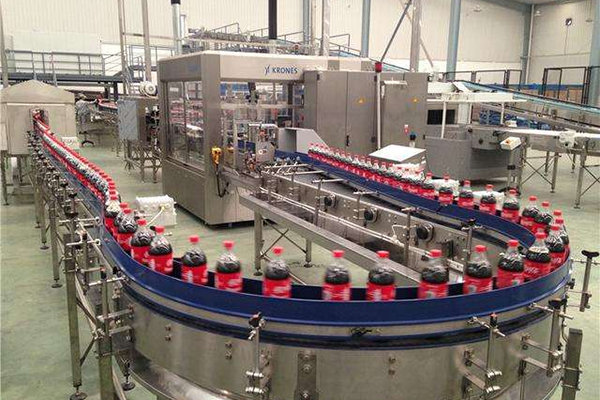
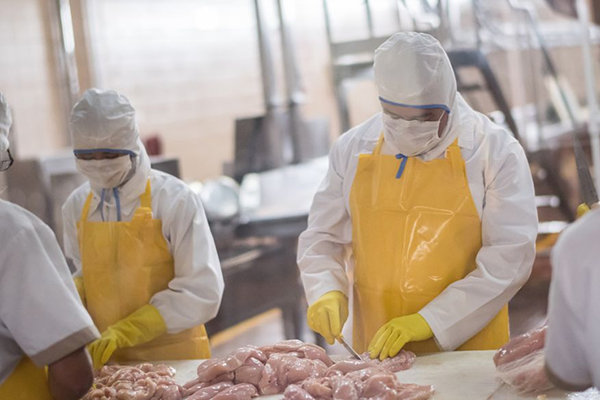
- ✅ Food and Beverage Industry
- ✅ Pharmaceutical and Medical Industry
- ✅ Commercial and Public Facilities
RO technology is widely used in almost all applications requiring high-purity water, from household drinking water to industrial ultrapure water systems.
Technical Parameters:
|
Inlet condition of RO
|
||
|
Application
|
Brackish Water Desalination Freshwater to Pure Water
|
Freshwater to Pure Water
|
|
Membrane Type
|
Low Pressure Membrane Components
|
Ultra-Low Pressure Membrane Components
|
|
Maximum Operating
Pressure
|
600 psi (4.14MPa)
|
600 psi (4.14MPa)
|
|
Maximum Inlet
Water Temperature
|
45°C
|
45°C
|
|
PH Range
|
2-11
|
3-10
|
|
LSI or S&DSI
|
≤0
|
≤0
|
|
Maximum Inlet SDI1.5
|
5
|
5
|
|
Free Chlorine
|
<0.1mg/L
|
<0.1mg/L
|
|
ORP
|
<200mV
|
<200mV
|
|
Iron
|
<0.5mg/L
|
<0.5mg/L
|
|
Manganese
|
<0.05mg/L
|
<0.05mg/L
|
|
TDS
|
<10000mg/L
|
<10000mg/L
|
|
TOC
|
<1-3mg/L
|
<1-3mg/L
|